Let's Know What Our Researchers Talk About Tear Film
Dr Farrell C Tyson MD
Key Words
Dry Eye
Dry Eye Disease
Lipid Layer
Aqueous Layer
Mucin Layer
Epithelial Layer
Redness Eye
Related Videos
About the Supramolecular Self-assembly
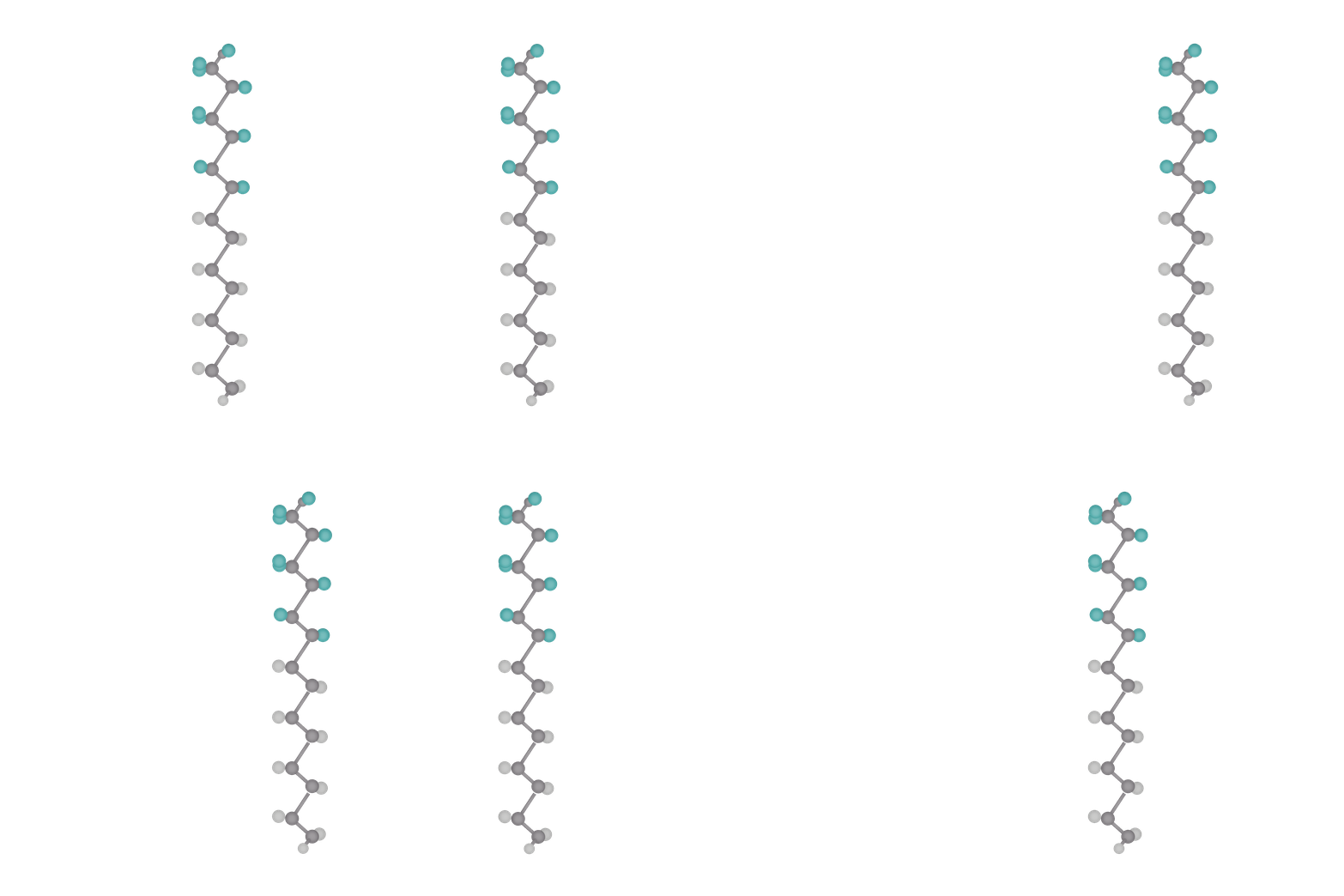
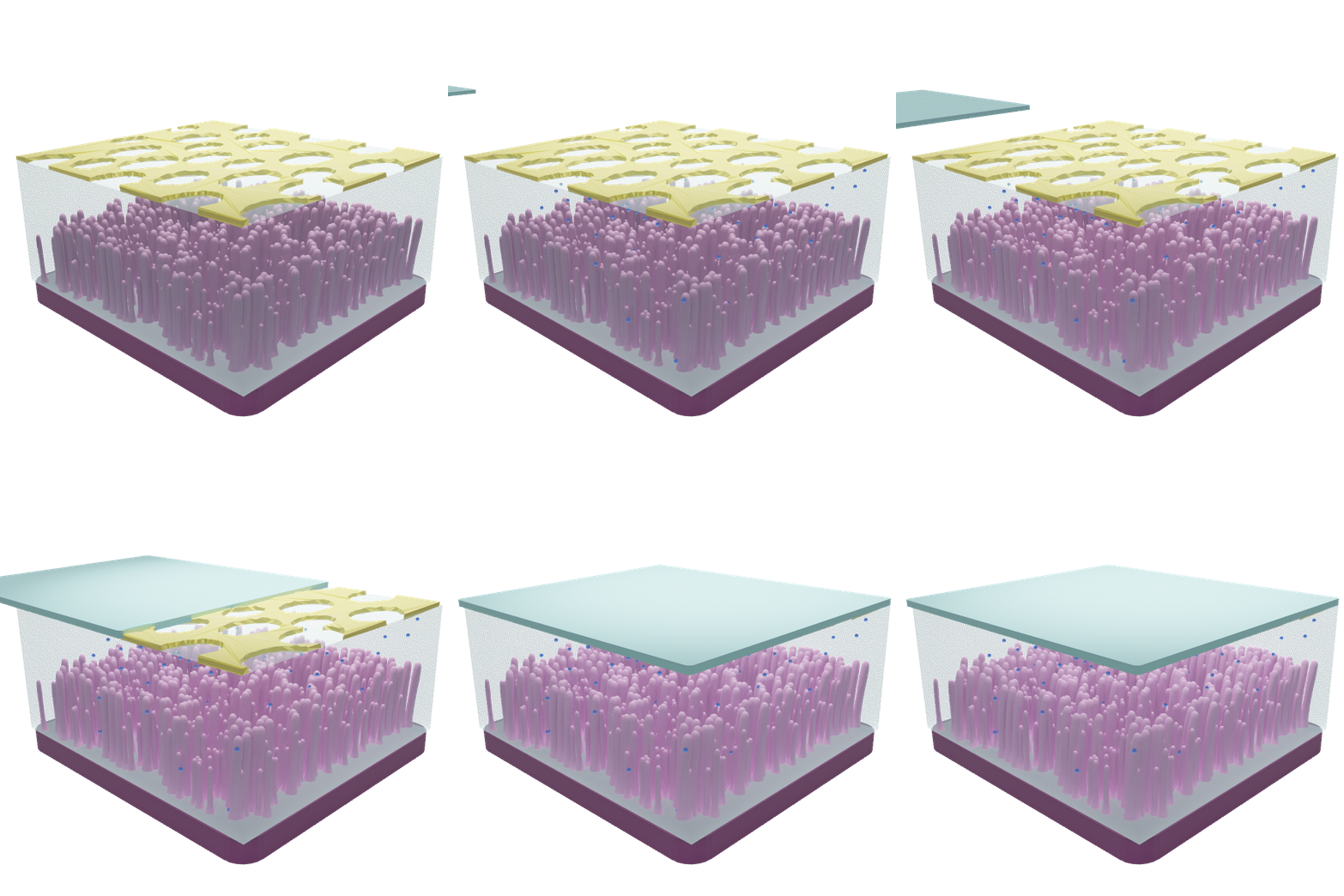
Learn how 1-perflourohexyloctane forms monolayers
Amphiphilic Effect
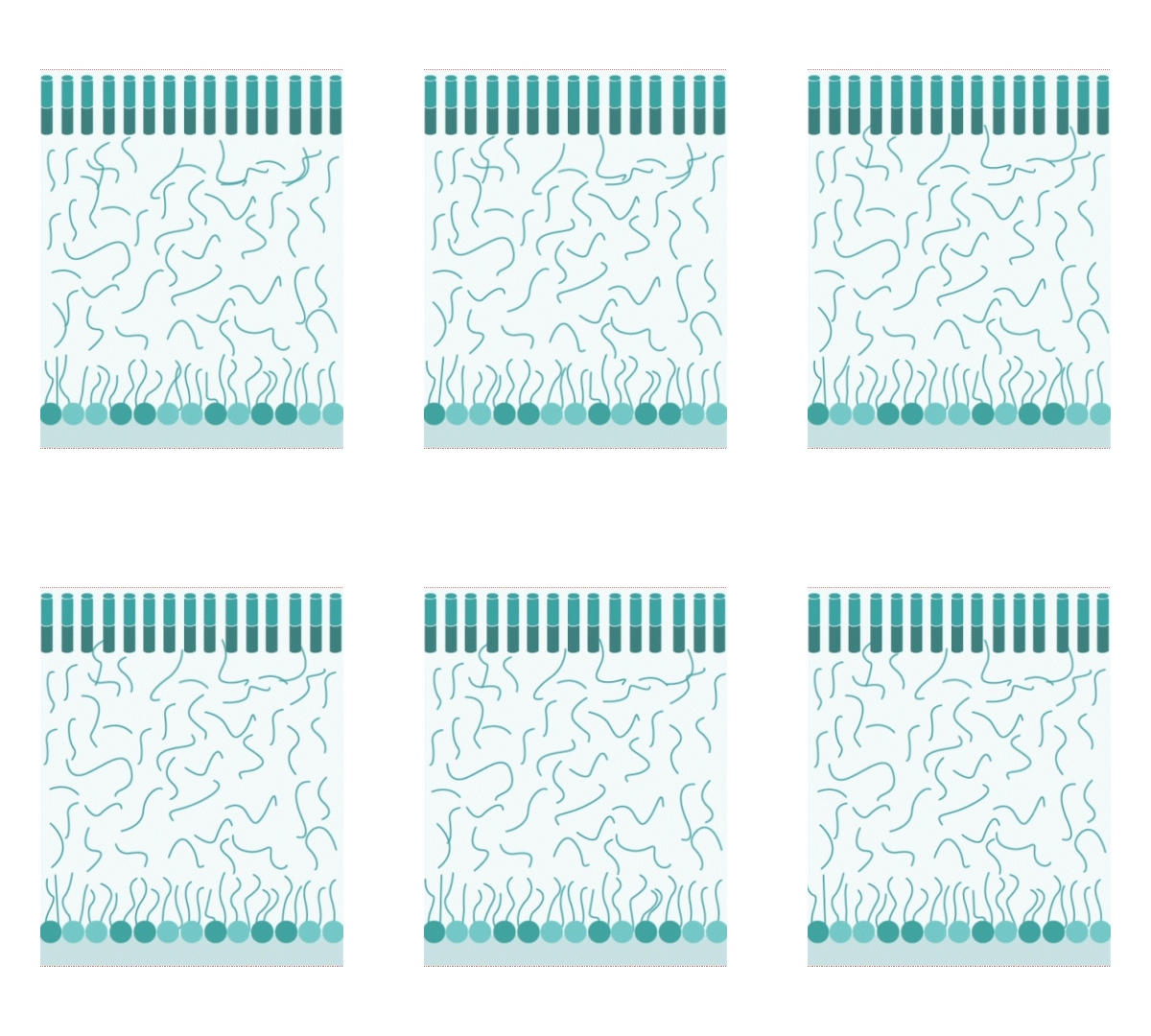
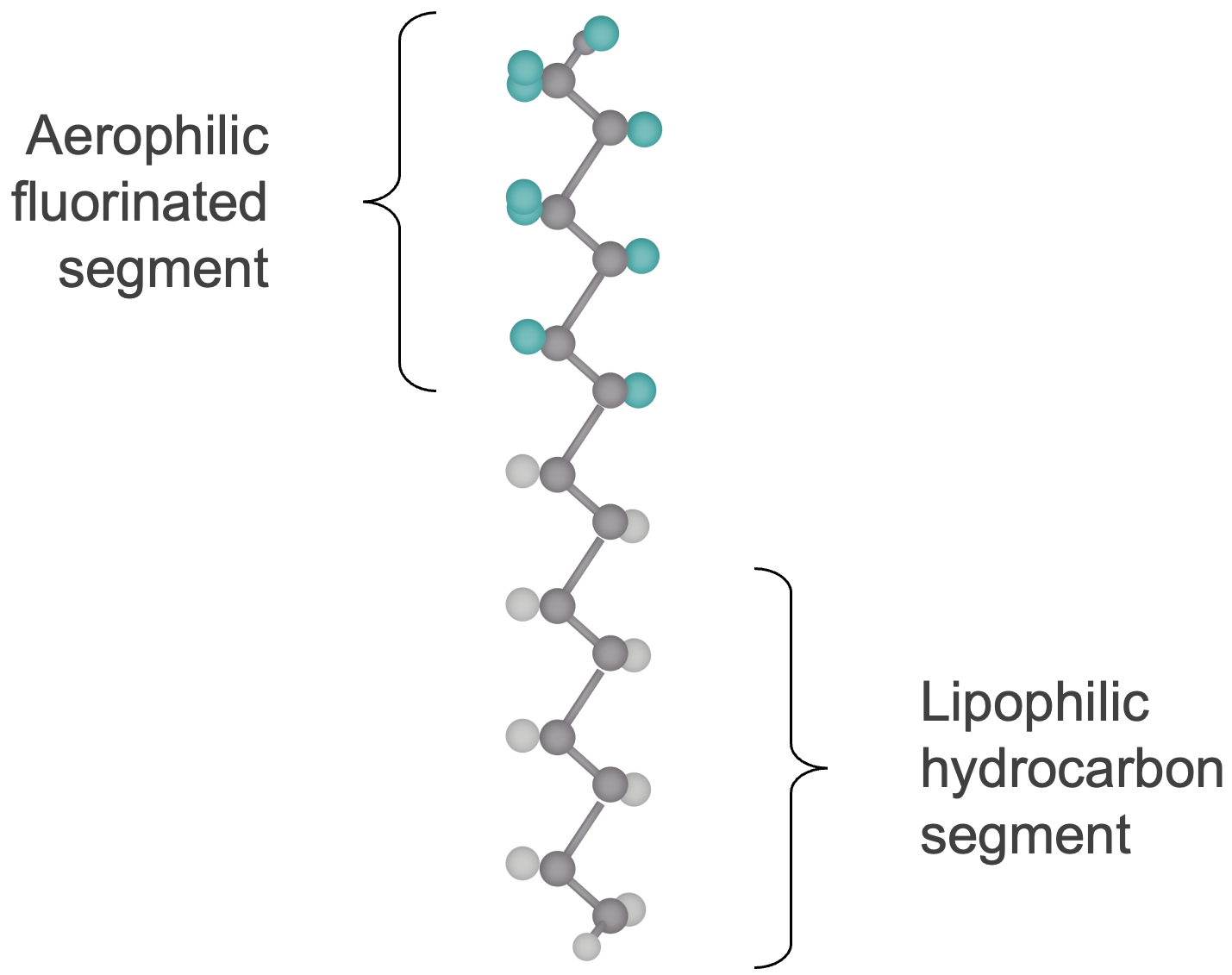
Each 1-PFHO molecules show an amphiphilic behavior involving lipophilic and aerophilic effects
Self-assembly
This 1-PFHO class of chain molecules show self-assembly effects and form into a complex discrete supramolecular film.
Lipophilic & Aerophilic Formation
PFHO exhibits supramolecular interactions of amphiphilic lipids at the air-liquid interface outside the tear film forming
a compartmented supramolecular layer.
Stabilizing Lipid Layer Components
Along with forming this layer PFHO exhibits great potential in stabilizing the components of the lipid layer to unfold their
full physiological potential. The improved lipid layer provides the perfect substitution of the natural lipid layer using PFHO.
Aerophilic
1-perflourohexyloctane (PFHO)
Lipophilic
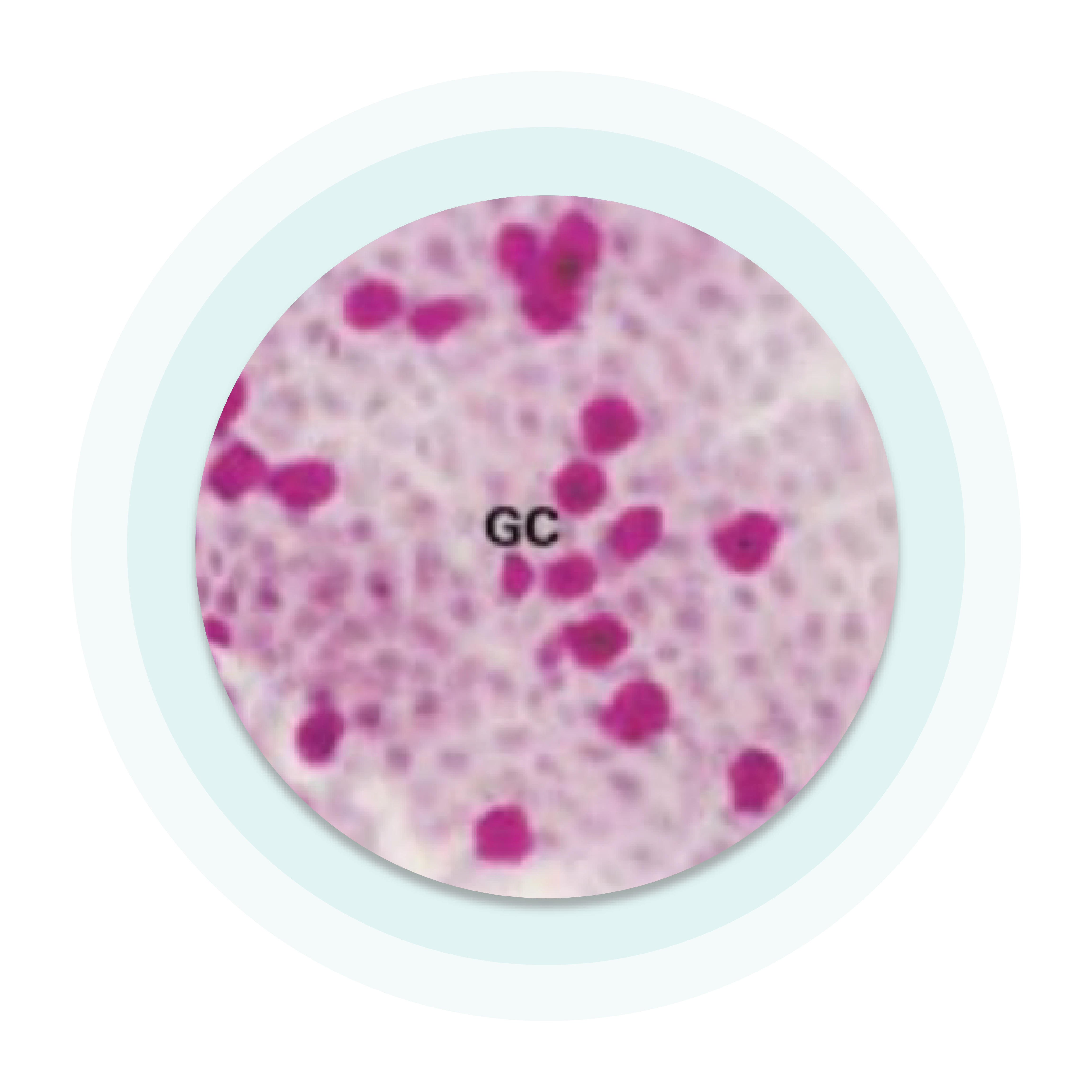
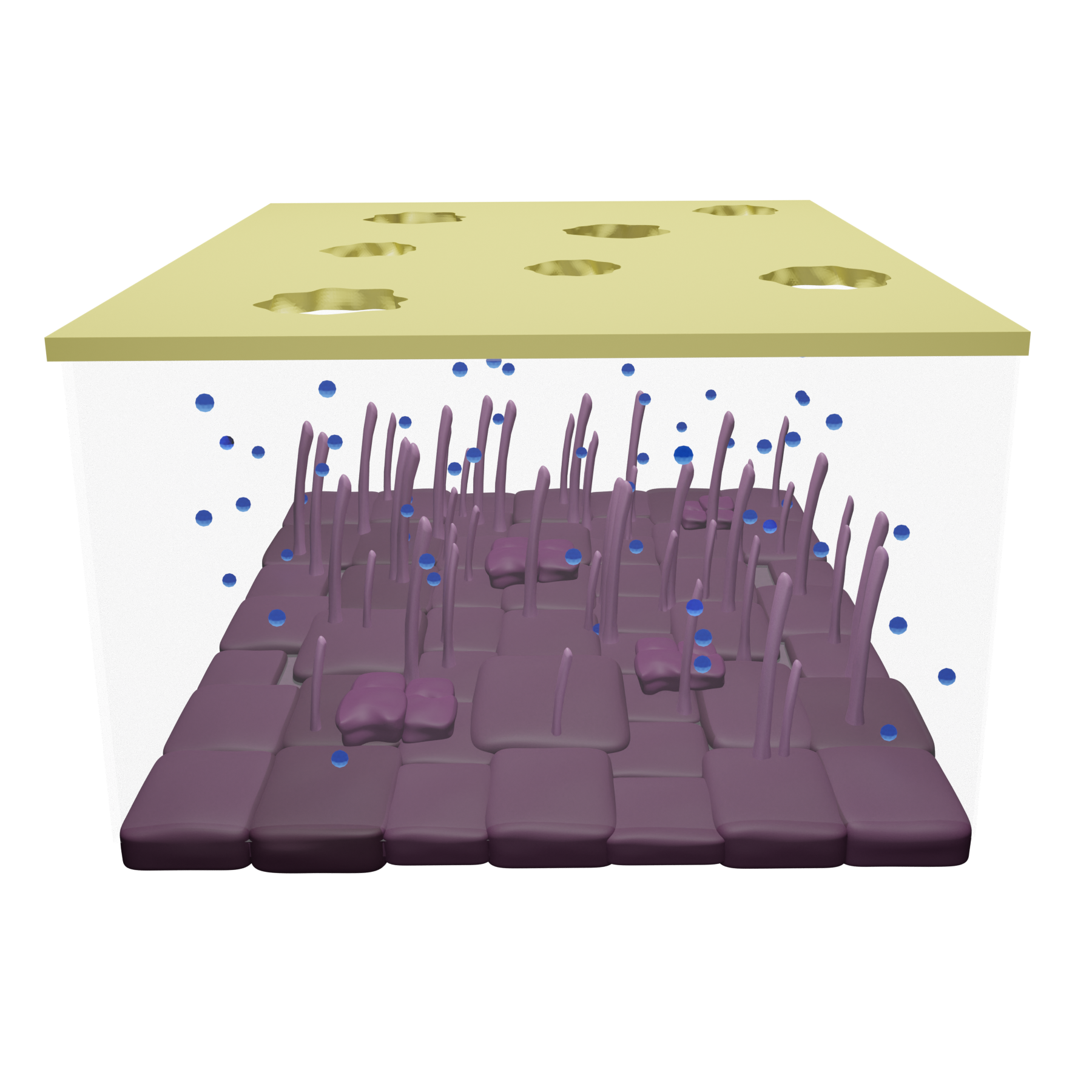
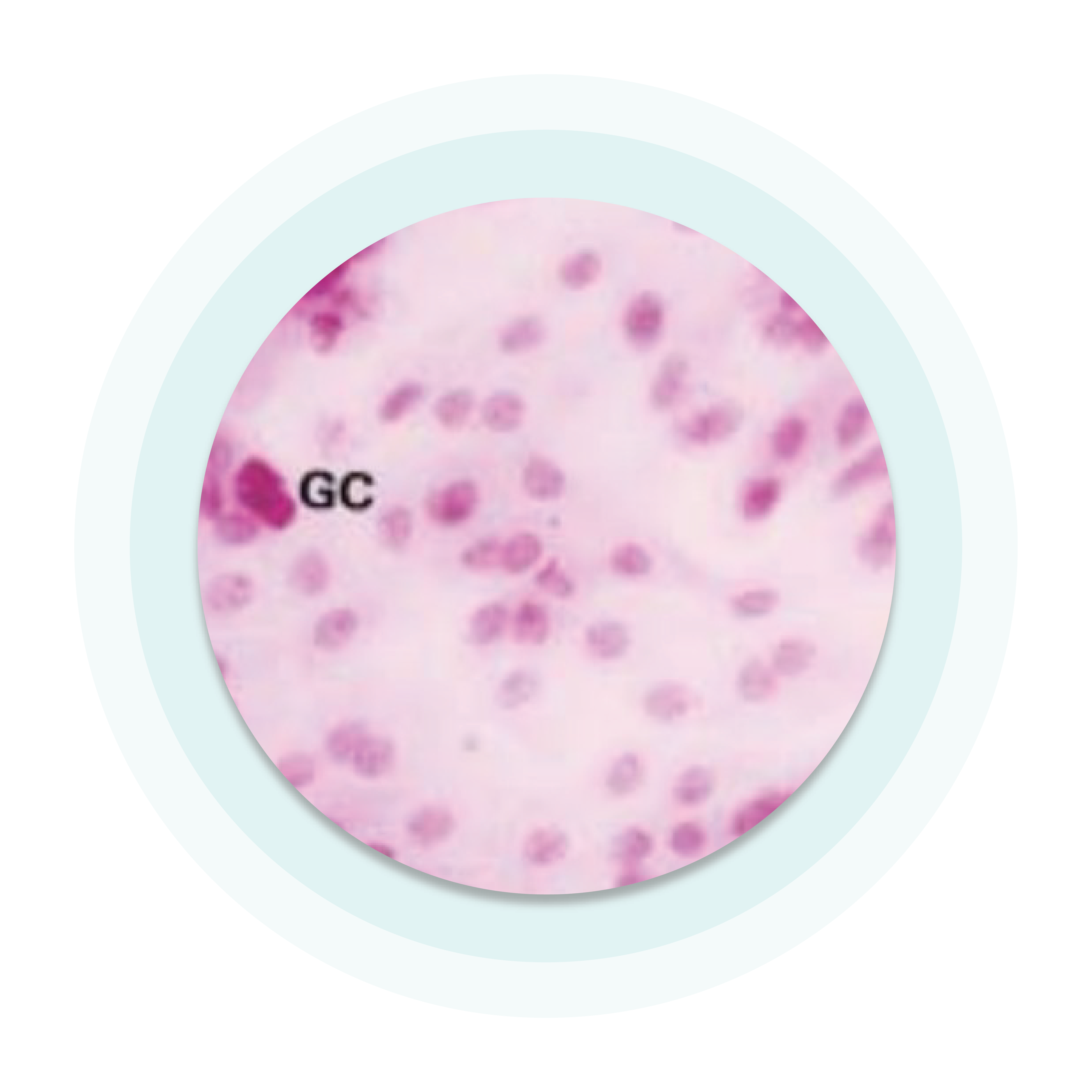
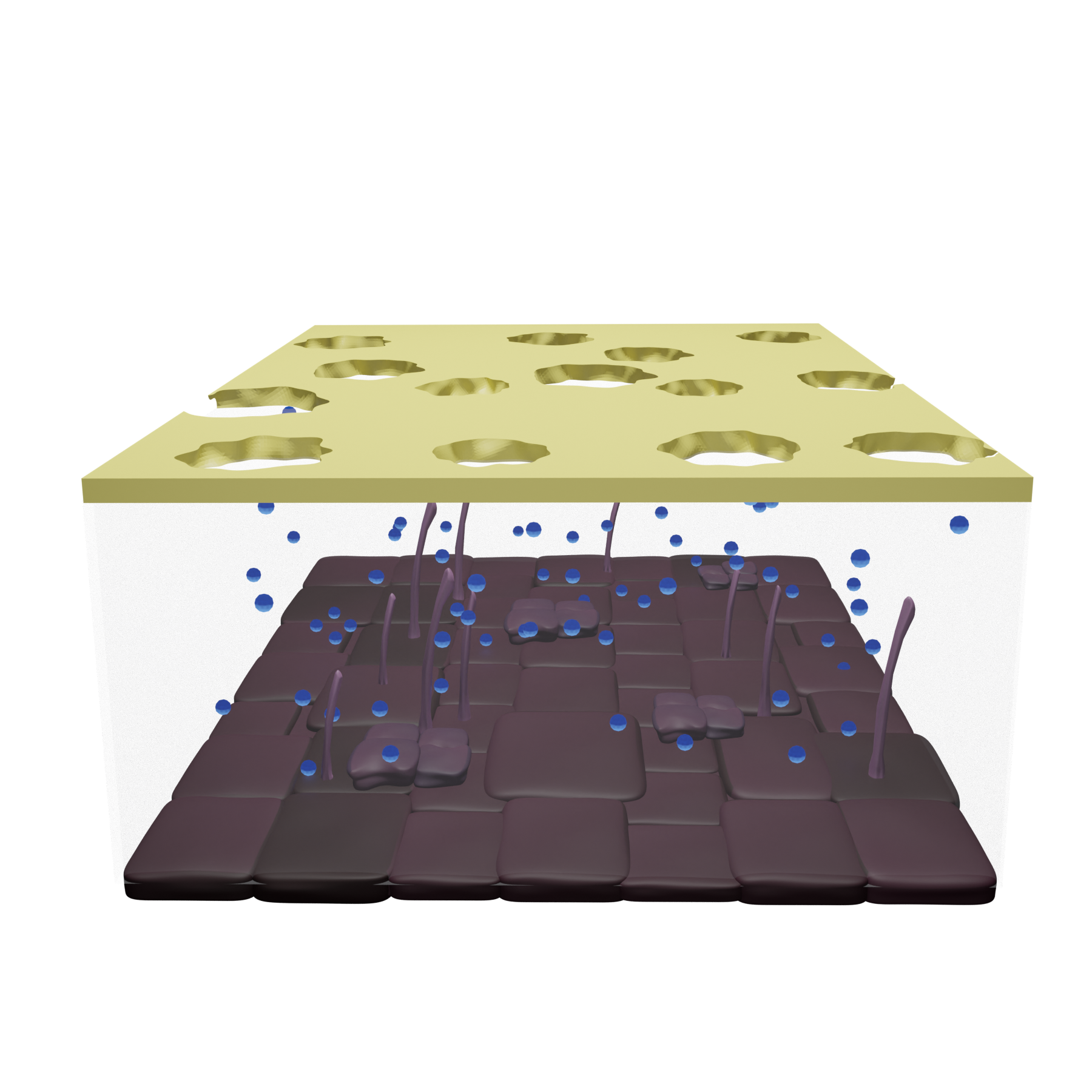
Severity of the Dry Eye Disease
Click below buttons to see the severity of the Dry Eye Disease in different grades
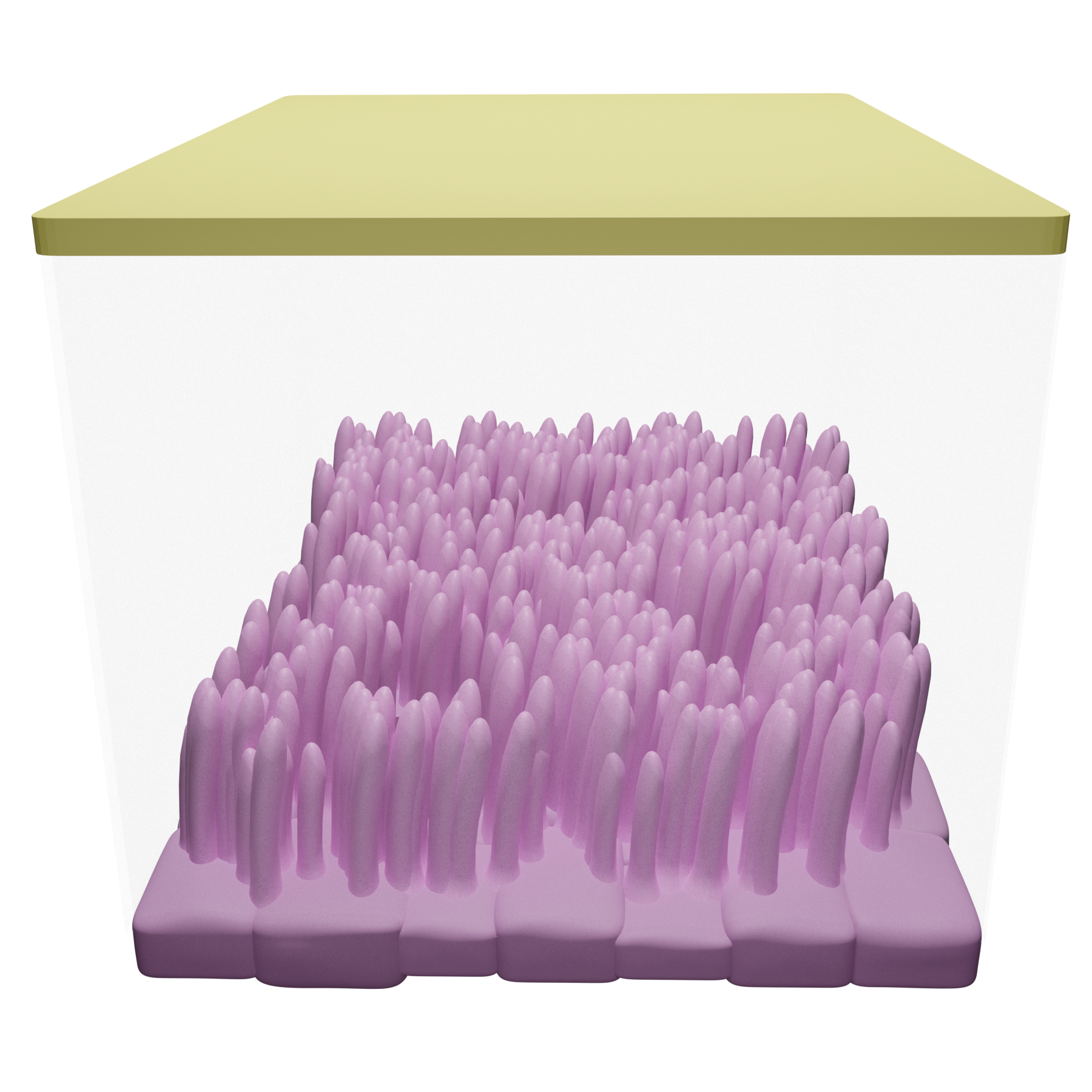
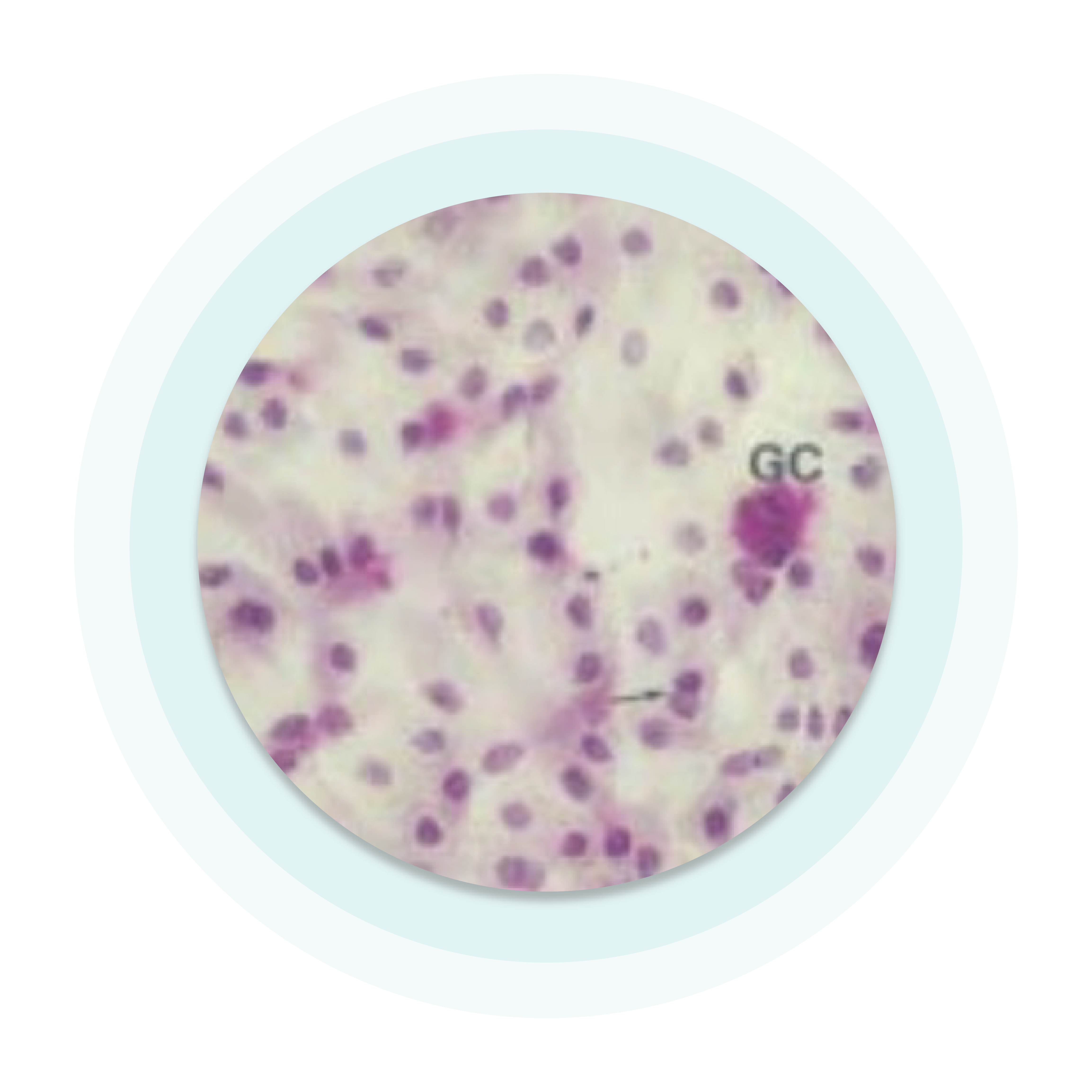
More separated & sometimes binucleated non-secretary epithelial cells
Severity: Severe
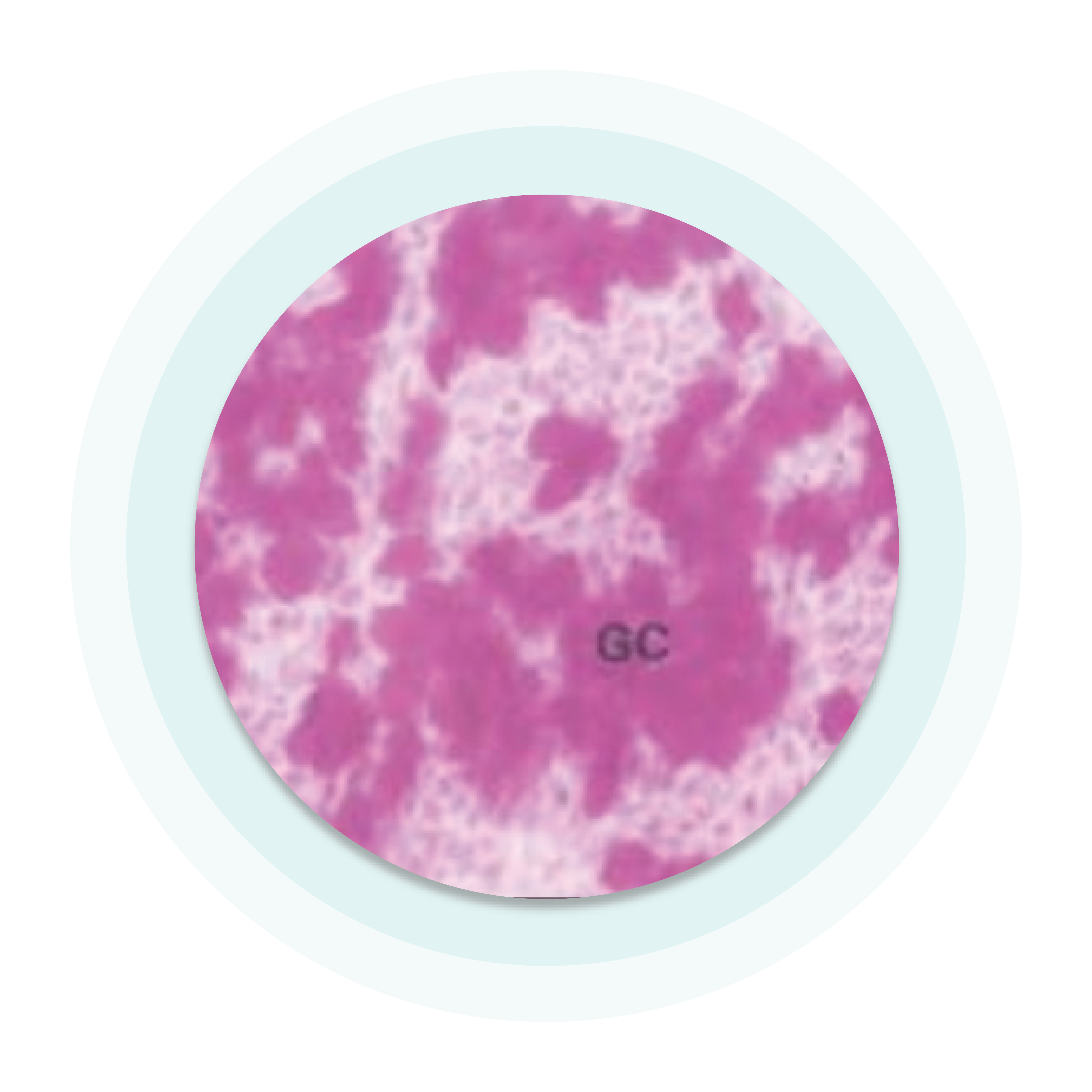
Goblet cells have disappeared
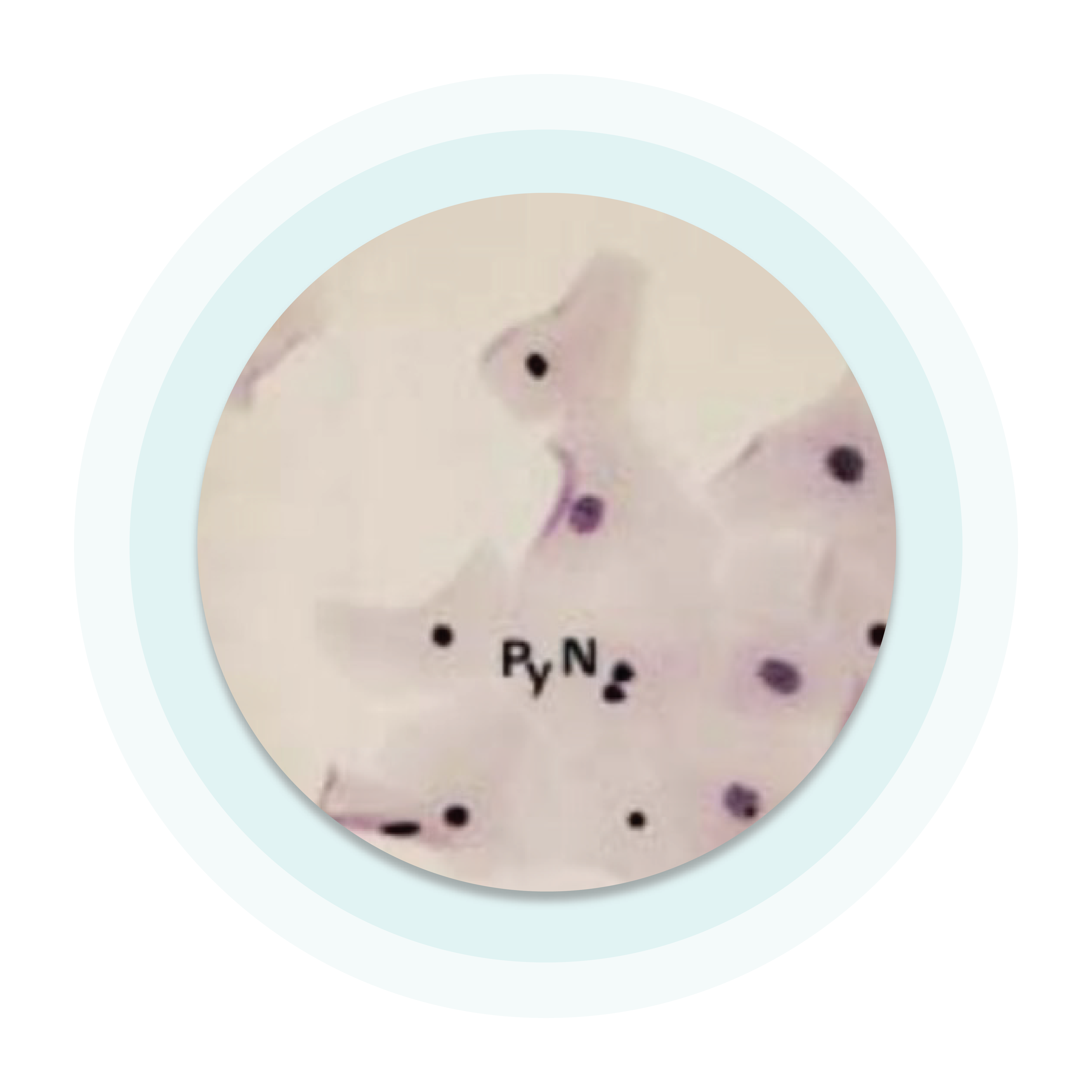
Non-secretary epithelial cells were isolated, and their cytoplasm keratinized
Severity: Severe+
Goblet cells have disappeared
Tightly packed Non-Secretary epithelial Cells
How Meibo Works?
Chapter 1
Chapter 2
Chapter 3
Chapter 1
Introduction to the Dry Eye Disease
Lorem Ipsum is simply dummy text of the printing and typesetting industry. Lorem Ipsum has been the industry's standard dummy text ever since the 1500s, when an unknown printer took a galley of type and scrambled it to make a type specimen book.
Lorem Ipsum is simply dummy text of the printing and typesetting industry. Lorem Ipsum has been the industry's standard dummy text ever since the 1500s, when an unknown printer took a galley of type and scrambled it to make a type specimen book.
Chapter 2
Introduction to the Dry Eye Disease
Lorem Ipsum is simply dummy text of the printing and typesetting industry. Lorem Ipsum has been the industry's standard dummy text ever since the 1500s, when an unknown printer took a galley of type and scrambled it to make a type specimen book.
Lorem Ipsum is simply dummy text of the printing and typesetting industry. Lorem Ipsum has been the industry's standard dummy text ever since the 1500s, when an unknown printer took a galley of type and scrambled it to make a type specimen book.
Chapter 3
Introduction to the Dry Eye Disease
Lorem Ipsum is simply dummy text of the printing and typesetting industry. Lorem Ipsum has been the industry's standard dummy text ever since the 1500s, when an unknown printer took a galley of type and scrambled it to make a type specimen book.
Lorem Ipsum is simply dummy text of the printing and typesetting industry. Lorem Ipsum has been the industry's standard dummy text ever since the 1500s, when an unknown printer took a galley of type and scrambled it to make a type specimen book.
Severity of DED
How Meibo Works
Safety
Efficacy
Thought Leaders
About Meibo
Explore Tear Film Universe
Lipid Layer
The outer layer that helps reduce evaporation of natural tears
Aqueous Layer
The middle layer that washes away particles and prevents infection
Mucin Layer
The inner layer that helps the eye remain lubricated
MEIBO has unique physiochemical properties
Parameters
MEIBO
Formulations Containing Water
Drop Size
11 μL
Does not oversaturate ocular surface
~ 35 to 50 μL
Drug Residence Time
Remains in tears for upto 6 hours(PK rabbit study)
Breif, 3 to 5 minutes
Spreading
Low surface tension
Rapid spreading
Film-forming
High surface tension
Hinders spreading
Other features
Water free - no preservatives
Low refractive index - minimal vision blurring
Can carry 10x more oxygen than water
Usually preserved
Blurring with emulsions
Blurring with suspensions
MEIBO (100% perfluorohexyloctane)
Highly Asymmetric Structure
Amphiphilic-aerophilic fluorinated segment and lipophilic hydrocarbon segment
Single-ingredient formulation
Water Free
Preservative Free
Steroid Free
Perfluorohexyloctane
INDICATION
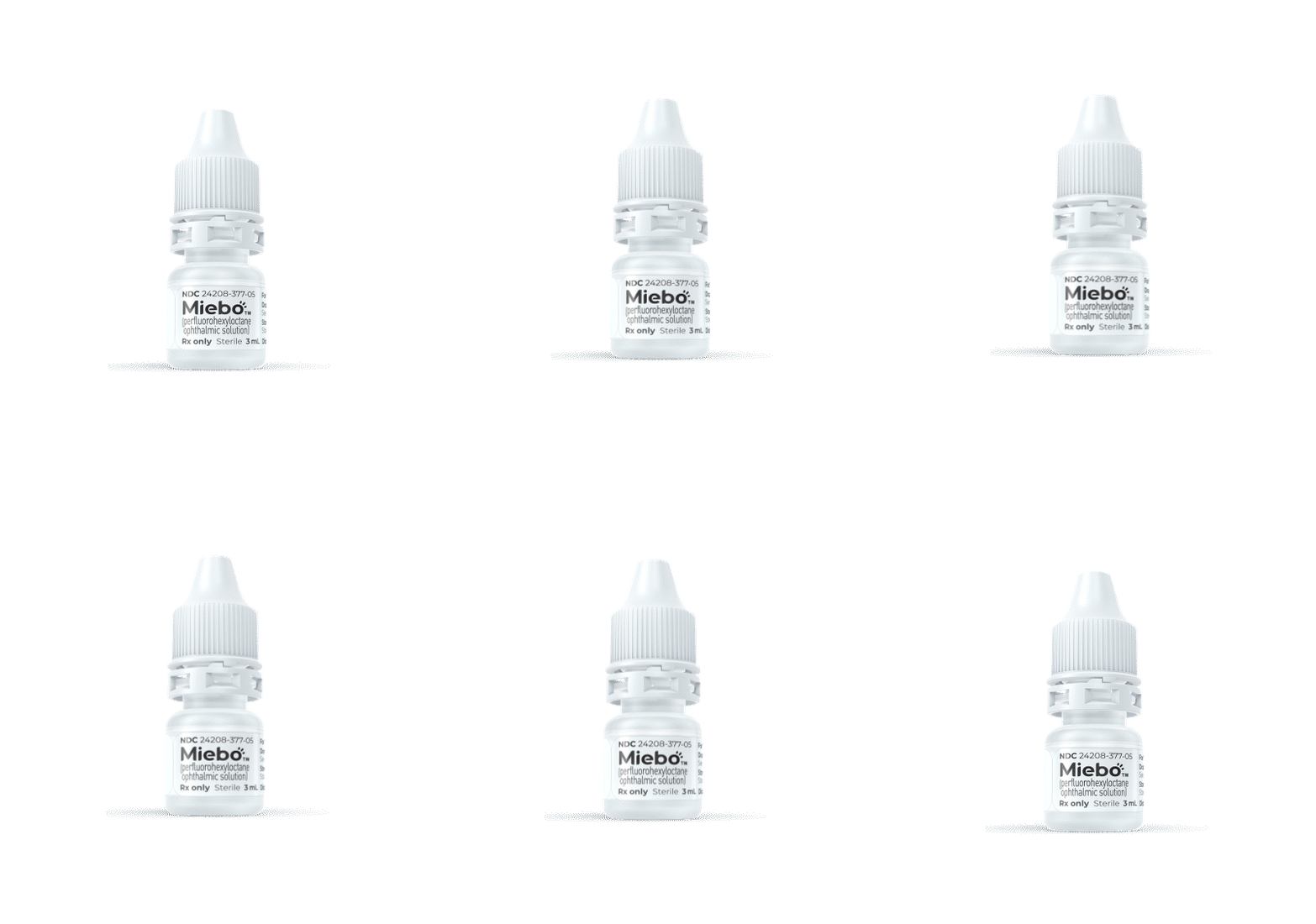
MIEBO™ (perfluorohexyloctane ophthalmic solution) is a semifluorinated alkane indicated for the treatment of the signs and symptoms of dry eye disease.
IMPORTANT SAFETY INFORMATION
MIEBO should not be administered while wearing contact lenses. Contact lenses should be removed before use and for at least 30 minutes after administration of MIEBO
Instruct patients to instill one drop of MIEBO into each eye four times daily
The safety and efficacy in pediatric patients below the age of 18 have not been established
The most common ocular adverse reaction was blurred vision (1% to 3% of patients reported blurred vision and conjunctival redness)
You are encouraged to report negative side effects of prescription drugs to the FDA. Visit www.fda.gov/medwatch or call 1800FDA10
A tolerability profile you've been looking for
In 2 pivotal clinical studies with > 600 patients treated with MIEBO
0
No incidences of serious ocular adverse events (AEs)2,3
Most AEs were considered mild
0.2%
Low discontinuation rate due to AEs2-4
Discontinuation rate for MIEBO was comparable to control (pooled: 0.2% vs 0.5%; GOBI 0.3% vs 1.0%; MOJAVE 0% vs 0%
0.2%
Low discontinuation rate due to AEs2-4
Discontinuation rate for MIEBO was comparable to control (pooled: 0.2% vs 0.5%; GOBI 0.3% vs 1.0%; MOJAVE 0% vs 0%
0.5%
Low rate of burning or stinging2-4
The pooled incidence of instillation site pain, such as burning or stinging, was 0.5% GOBI 1.0%; MOJAVE 0%
INDICATION
MIEBO™ (perfluorohexyloctane ophthalmic solution) is a semifluorinated alkane indicated for the treatment of the signs and symptoms of dry eye disease.
IMPORTANT SAFETY INFORMATION
MIEBO should not be administered while wearing contact lenses. Contact lenses should be removed before use and for at least 30 minutes after administration of MIEBO
Instruct patients to instill one drop of MIEBO into each eye four times daily
The safety and efficacy in pediatric patients below the age of 18 have not been established
The most common ocular adverse reaction was blurred vision (1% to 3% of patients reported blurred vision and conjunctival redness)
You are encouraged to report negative side effects of prescription drugs to the FDA. Visit www.fda.gov/medwatch or call 1800FDA10
Sign Improvement and Symptom Relief
Sign Improvement
(Total Corneal Fluorescein Staining)
Symptoms Relief
(Eye Dryness)
Sign Improvement
(Central Corneal Fluorescein Staining)
MEIBO
Saline(control)
2x
Improvement vs Control in total CFS at day 57
Pooled analysis (above): Mean baseline tCFS = 6.9 for MIEBO and saline (control).
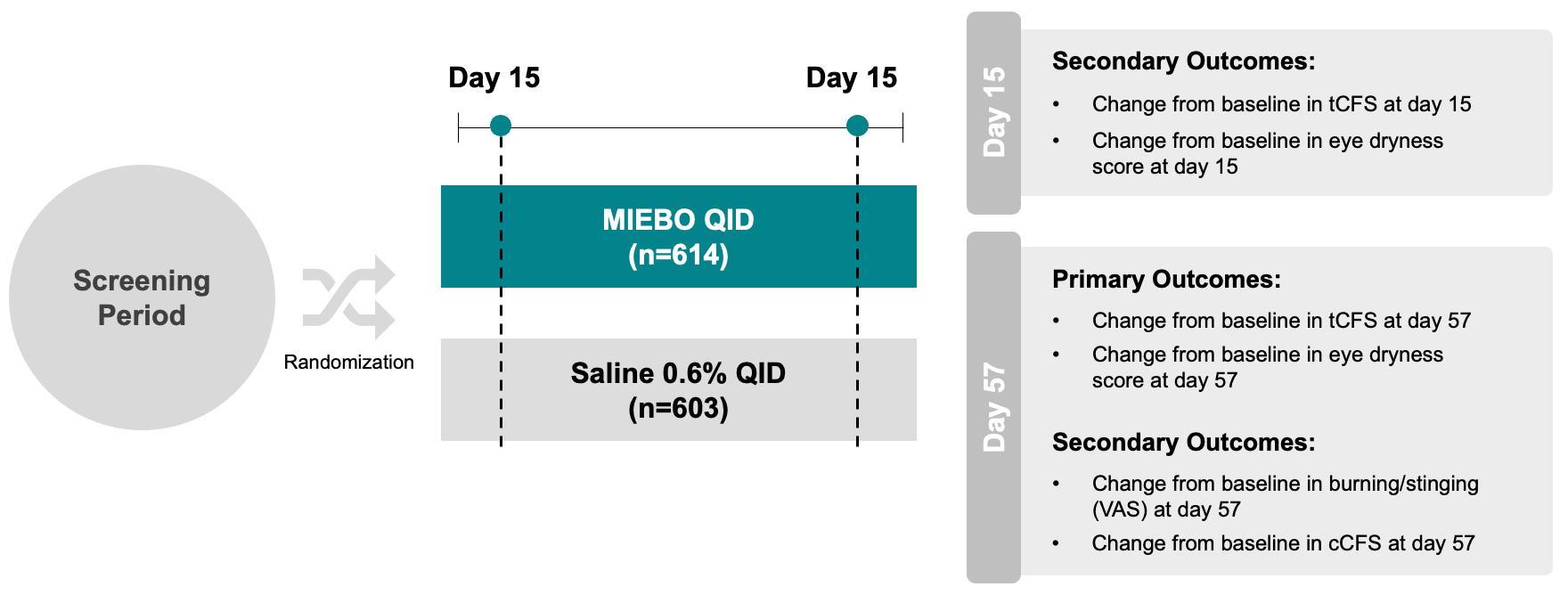
tCFS grading scale: 015 (0-3 in each of 5 areas). Across GOBI and MOJAVE, 614 patients received MIEBO and 603 patients received control with 591 and 575, respectively, assessed on Day 57.2-4
INDIVIDUAL STUDY DATA1-3
GOBI: Mean (SD) CFB -2.0 (2.6) for MIEBO(n = 289) vs -1.0 (2.7) for control (n = 279) (P < 0.001) at Day 57.
MOJAVE: Mean (SD) CFB -2.3(2.8) for MIEBO (n = 302) vs -1.1(2.9) for control (n = 296) (P < 0.001) at Day 57.
CFB, change from baseline; CFS, corneal fluorescein staining.
1.5x
Improvement vs Control in eye dryness at day 57
Pooled analysis (above): Mean baseline eye dryness score = 65.6 for MIEBO, 65.5 for saline (control).
Eye dryness Visual Analog Scale VAS: 0-100 (0 = no discomfort, 100 = maximal discomfort). Across GOBI and MOJAVE, 614 patients received MIEBO and 603 patients received control with 591 and 575, respectively, assessed on Day 57.24
INDIVIDUAL STUDY DATA1-3
GOBI: Mean (SD) CFB -27.4 (27.9) for MIEBO (n = 289) vs -19.7 (26.7) for saline (n = 279) (P < 0.001) at Day 57.
MOJAVE: Mean (SD) CFB -29.5 (28.6) for MIEBO (n = 302) vs -19.0 (27.2) for saline (n = 296) (P < 0.001) at Day 57.
4x
Improvement vs Control in central CFS at day 57
Pooled analysis (above): Mean baseline cCFS = 1.1 for MIEBO and saline (control).
cCFS grading scale: : 0-3. Across GOBI and MOJAVE, 614 patients received MIEBO and 603 patients received control with 591 and 575, respectively, assessed on Day 57.2-4
INDIVIDUAL STUDY DATA2-4
GOBI: Mean (SD) CFB -0.4 (0.8) for MIEBO (n = 289) vs -0.1 (0.9) for saline (n = 279) (P < 0.001) at Day 57.
MOJAVE: Mean (SD) CFB -0.4 (0.8) for MIEBO (n = 302) vs -0.1 (0.9) for saline (n = 296) (P < 0.001) at Day 57.
Study design
The first and only approved Rx eye drop that required all patients in pivotal studies to have clinical signs of MGD at enrollment
Two 57-day, multicenter, double-masked, saline-controlled studies GOBI and MOJAVE were conducted in adults 18 years old with a self-reported history of DED in both eyes. Primary outcomes were change from baseline in tCFS and change from baseline in eye dryness score (Visual Analog Scale) at Day 57. Day 15 was the earliest time point at which signs and symptoms were evaluated in the trials. Day 57 was the last.1-3
Objective
Key Inclusion Criteria
Base Characteristics
Study Outcomes
Efficacy and safety were established in 2 large clinical trials that enrolled 1200 patients2,3
GOBI and MOJAVE
Two 57-day
Multicenter
Double-masked
Saline-controlled studies
Adults >= 18 years old with self-reported history of DED in both eyes2,3
MGD defined as a total MGD score >=3
Based on secretion of 5 central glands on lower eyelid (each scored 0-3)
0 = normal
1 = thick/yellow, whitish, particular
2 = paste
3 = none/occluded
Depending on study and treatment arm
Mean total MGD score: 7.6
Mean tCFS: 6.9
Mean TFBUT (sec): 3.2
Mean OSDI score: 54.6
Eye dryness VAS score: 65.6
*GOBI MIEBO vs control SD, respectively): Mean total MGD score, 7.4 3.1 vs 7.7 3.2; mean tCFS, 6.7 1.8 vs 6.7 1.9; mean TFBUT (sec), 3.2 0.8 vs 3.3 0.8;
mean OSDI score, 53.9 17.6 vs 54.4 17; eye dryness VAS score, 66.5 19.1 vs 66.8 18.7. MOJAVE MIEBO vs control SD, respectively): Mean total MGD score,
7.9 3.5 vs 8.1 3.5; mean tCFS, 7.0 2.0 vs 7.1 2.1; mean TFBUT (sec), 3.2 0.9 vs 3.1 0.9; mean OSDI score, 55.2 17.4 vs 55.8 17.2; eye dryness VAS score,
64.7 19.5 vs 64.3 19.8.2,3
OSDI, Ocular Surface Disease Index; QID, 4 times a day; TFBUT, tear film break-up time.
INDICATION
MIEBO™ (perfluorohexyloctane ophthalmic solution) is a semifluorinated alkane indicated for the treatment of the signs and symptoms of dry eye disease.
IMPORTANT SAFETY INFORMATION
MIEBO should not be administered while wearing contact lenses. Contact lenses should be removed before use and for at least 30 minutes after administration of MIEBO
Instruct patients to instill one drop of MIEBO into each eye four times daily
The safety and efficacy in pediatric patients below the age of 18 have not been established
The most common ocular adverse reaction was blurred vision (1% to 3% of patients reported blurred vision and conjunctival redness)
You are encouraged to report negative side effects of prescription drugs to the FDA. Visit www.fda.gov/medwatch or call 1800FDA10